

THREE WORLDS DIARY
Human Trafficking: Myth or Reality?
The most pervasive myth about human trafficking is that it often involves kidnapping or physically forcing someone into a situation.
⇒ Reality: Most traffickers use psychological means such as tricking, defrauding, manipulating, or threatening victims into providing commercial sex or exploitative labor.
“Traffickers target victims they don’t know.”
⇒ Reality: Many survivors have been trafficked by romantic partners, including spouses, and by family members, including parents.
“Only women and girls can be victims and survivors of sex trafficking.”
⇒ Reality: Men and boys are also victimized by sex traffickers. LGBTQ boys and young men are seen as particularly vulnerable to trafficking.
"People being trafficked are physically unable to leave their situations/locked in/held against their will."
⇒ Reality: That is sometimes the case. More often, however, people in trafficking situations stay for reasons that are more complicated. Some lack the basic necessities to physically get out – such as transportation or a safe place to live. Some are afraid for their safety. Some have been so effectively manipulated that they do not identify at that point as being under the control of another person.
"All commercial sex is human trafficking."
⇒ Reality: All commercial sex involving a minor is legally considered human trafficking. Commercial sex involving an adult is human trafficking if the person providing commercial sex is doing so against his or her will as a result of force, fraud or coercion.
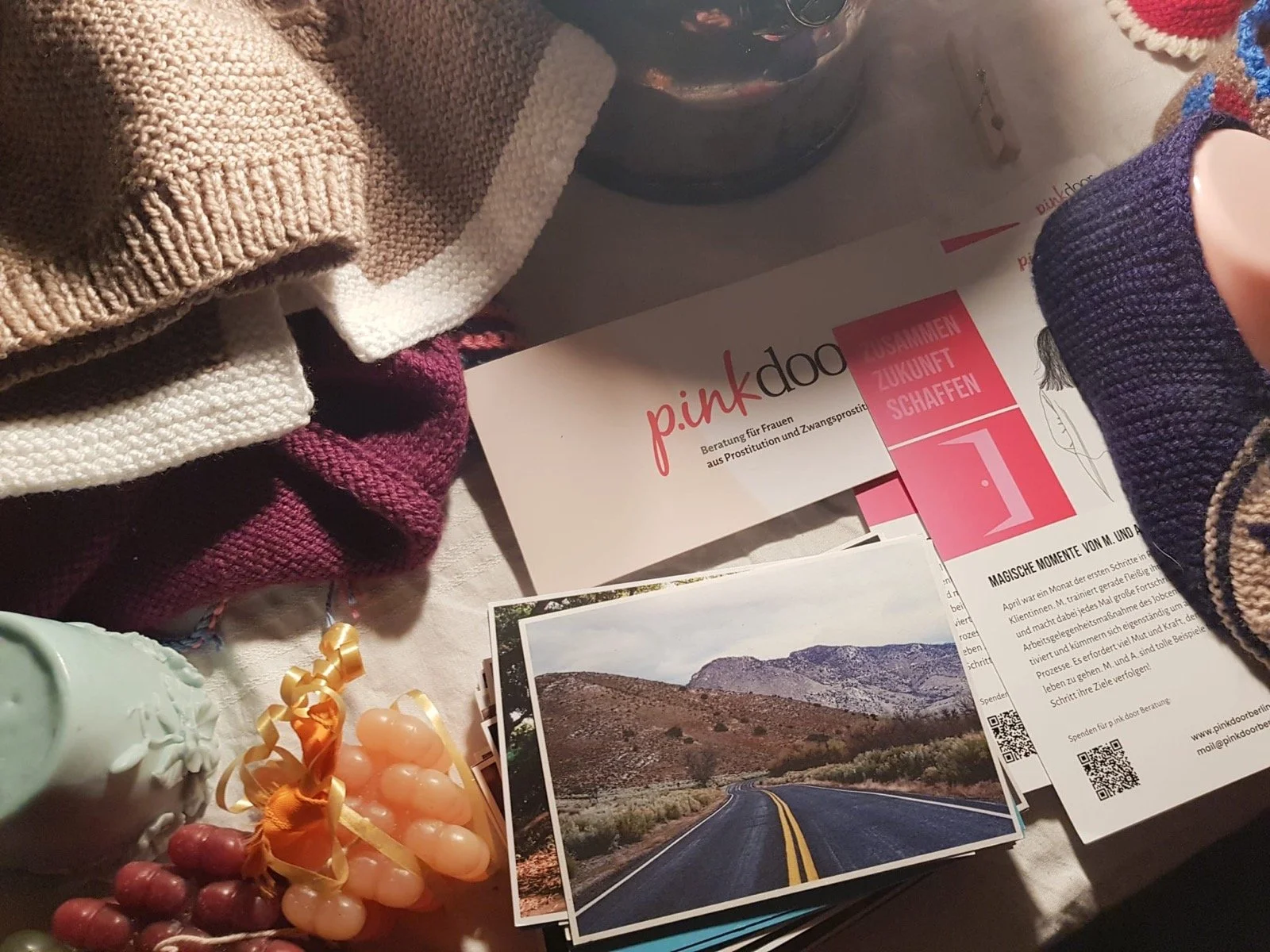
Meet Aylin*
She came to Germany from Bulgaria many years ago because of a promise that she could work in a hotel. She left her children with relatives and accompanied by the man she saw as her savior, traveled to Berlin. Upon arrival, her ID was taken, the violence began, and she was forced into prostitution. This is just one way perpetrators lure women away from their families and into prostitution in Berlin, where this is a legal, commercialized profession.
Promises given. Promises broken. Betrayal. Descent into desperation. Identity perverted.
Through long‑term counseling at p.ink door berlin** Aylin developed goals, learned how to write a CV, and applied for social benefits and employment opportunities. She faced her trauma head on through p.ink door’s counseling services. She was able to leave prostitution, find employment, and secure her own apartment after years of housing insecurity. Today, Aylin’s life is stable and she is flourishing. And the most remarkable part? She is discovering a new identity as one who is loved and created by God.
*Name changed to protect anonymity.
**p.ink door berlin is a not-for-profit organization founded 11 years ago by Chog Global Strategy personnel and Germans in Berlin. www.pinkdoorberlin.org
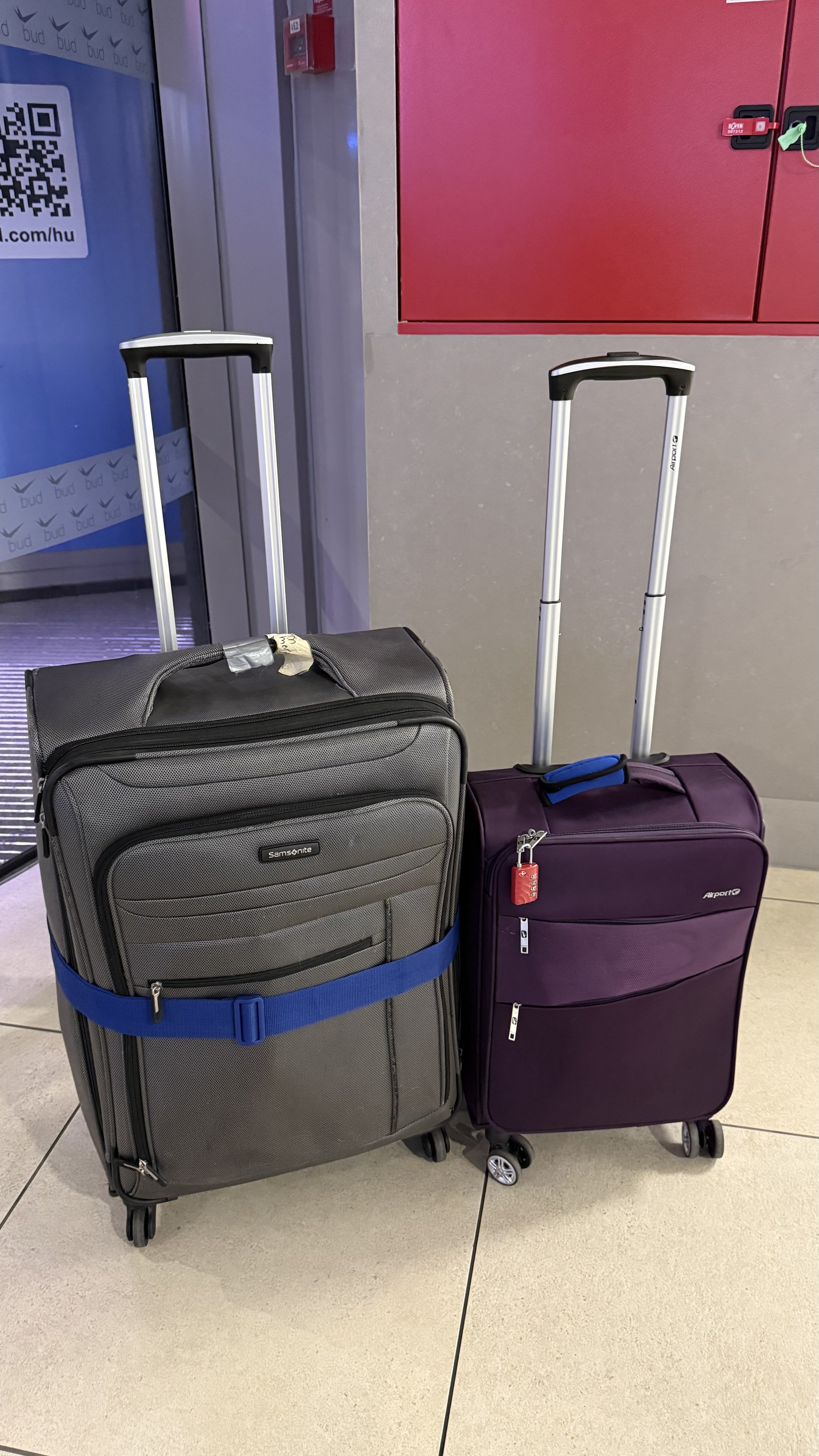
A brief glimpse into the “Irregular Regular Lives of Missionaries…”
(Daniel & Christy Kihm live in Budapest, Hungary, with their daughter Sofie and serve in the EME region.)
As this gets published to the online world, I (Dan) have just arrived into the US. Alone. Christy and Sofie will join me in a handful of weeks.
This begins our Home Ministry Assignment. And also, our Totalization, a process whereby we are required to leave Hungary for at least 6 consecutive months every 5 years.
In a lot of ways, the above sentences encapsulate the regular life of a missionary, which is also wholly irregular!
Often we are asked by supporters: “What is a normal week like for you?”
What a normal, good question. But also what a laughable thought.
We have no normal week. ;-)
As an example, one week ago, we were leaving northern Italy (after spending time with our church in Arco), and flying directly to Madrid, Spain (to spend time with our church in Madrid, En Mi Lugar). In one week, I will be in North Carolina and Virginia.
There are a lot of great joys with the job of being a missionary. It’s wonderful to get to travel widely and see new places. It’s wonderful to spend our lives relationally, pouring into dear friends new and old.
But it’s also complicated.
Case in point: Why am I coming to the States solo, with my family joining me later?
Because we have a daughter who will be starting high school in the fall. And by my leaving now, my 6-month clock will allow me to return with Sofie for a relatively seamless transition to high school.
Being away from one’s home for 6 months is not a small feat, either. There are loads of preparatory things that must be accomplished. What about those houseplants? Mail? Bills? Etc.
As a point of comparison, my parents have not been away from their house for more than 2 weeks. Since 1985!!!
And yet, this is a regular activity for missionaries.
For some it’s even more complicated than it is for us. Maybe they have a longer time they are required to be away. Or multiple children. Or the local ministry activities are less easy for them to step away from.
Irregular regular missionaries live in a world of constant transitions and adaptations.
We, as always, are indebted to so many of you who sacrifice your time and finances to enable us to serve in the roles we are called to. We are indebted to so many of you who pray unceasingly on our behalf.
Thank you for allowing us to regularly serve in an irregular manner. :-)
NextGen
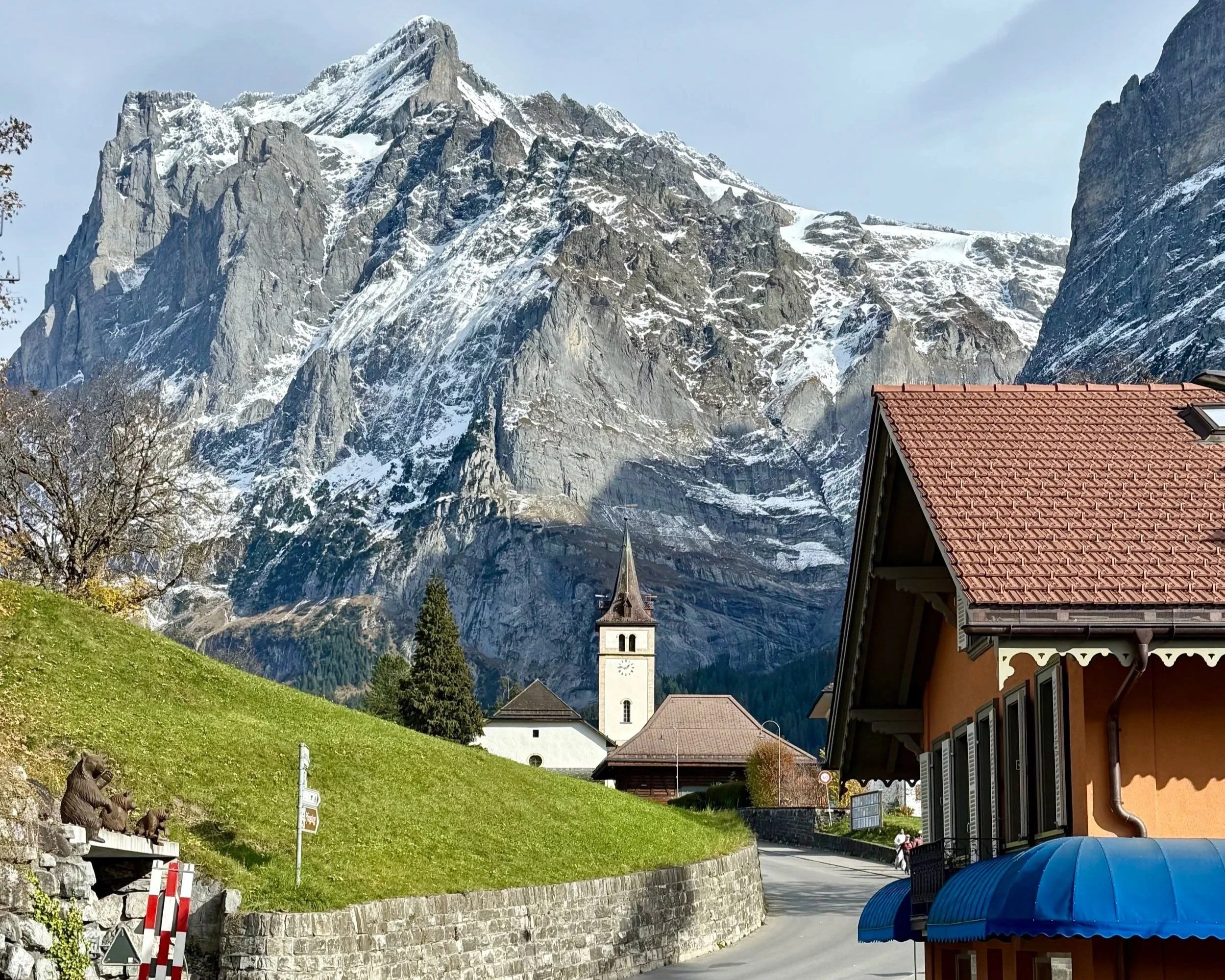
The landscape of ministry in Europe and the Middle East could easily be compared to a journey into the Swiss or Italian Alps – navigating switchbacks with the uncertainty of exactly what lies ahead, driving in low gear to make it up the steep inclines, giving thanks for the slow upward progress. But if the conditions are right and all comes together as it should, the white-knuckled intensity of the ascent rewards the traveler with breathtaking views at the top.
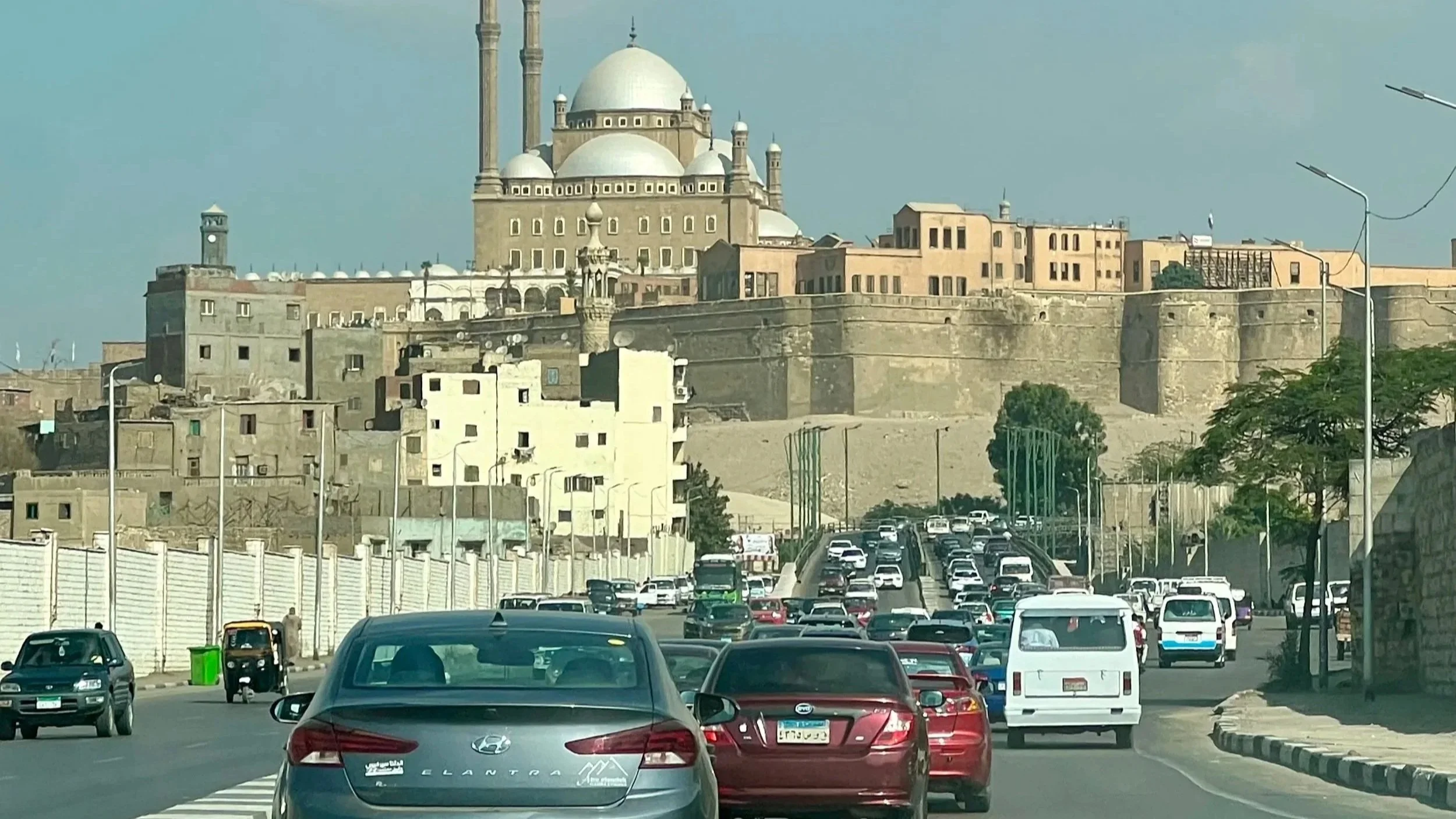
Another appropriate ministry comparison might be found in the excitement of a journey through the streets of downtown Cairo, Egypt – horns honking as a signal to the other drivers (who needs a turn signal anyway?), pedestrians crossing like characters in the old frogger game, vehicles traveling at night with no headlights on to illuminate the road ahead, "travel lanes" being completely disregarded. The stress and excitement of this version of the journey stands in stark contrast to the peace, joy, and warmth found along the way, in the hospitable presence of an Egyptian brother or sister in Christ.
The journey is sometimes stressful, lonely, slow, uncertain, chaotic....but when it's done with faithful intentionality and in community with God and with others, the reward in great.
The reality is that Christians in the Europe and Middle East region are part of a minority group. Most often, resources are lacking. Opportunities to connect with likeminded believers are few and far between. Some days it's hard not to feel like a small fish making its way through a vast ocean. But despite the difficulty, uncertainty, and loneliness, God is doing great things throughout Europe and the Middle East. This continues to make the hard work worth it!
One of the ways our Three Worlds team is able to take part in the work of the local Church is through the NextGen Project. This is one tool we have to partner in the fruitful, meaningful work being done by young and emerging leaders in the region. The NextGen Project isn’t just another ministry initiative or short-term program, but a strategic, hope-filled investment in the future of the Church across Europe and the Middle East, a region that continues to weather profound spiritual, cultural, and social change.
At its core, the NextGen Project exists to empower local leaders. These are men and women who are already serving faithfully in their local contexts but who sometimes lack access to training, networks, and resources that many take for granted. Our team's vision compels us to see faith communities transforming lives and inspiring hope in places where the Church can feel isolated, under-resourced, or discouraged.
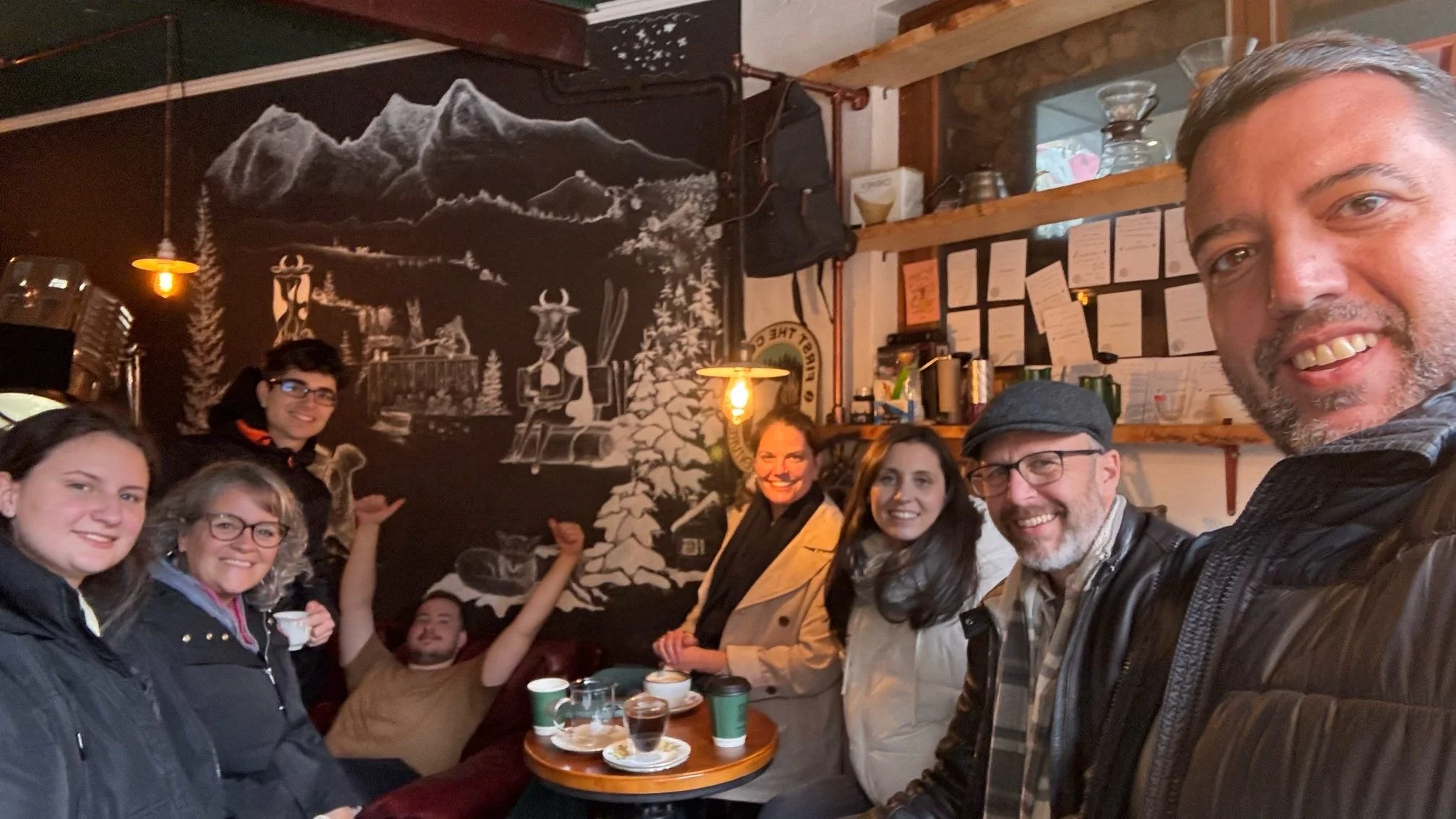
The project doesn’t focus on just one aspect of ministry. It supports a wide ecosystem of formation and care.
Creating Connection: Many leaders across Europe and the Middle East serve in isolation. The NextGen Project creates opportunities for them to connect with one another and with the broader Church of God movement through local and regional conferences and seminars. These relationships foster encouragement, accountability, and shared vision. We work hard to remind people that they are not alone!
Fostering Innovation: Through a variety of initiatives, young leaders are encouraged to engage their local communities with the Gospel in ways that are culturally sensitive, creative, and innovative. In a region where traditional methods may no longer connect with people, this kind of adaptability is essential.
Resourcing Leaders: NextGen supports strategic travel, which may sound secondary at first, but is actually transformative. Being present across borders, cultures, and contexts builds unity and a shared mission. It allows leaders to learn from one another firsthand and strengthens the regional Church in ways that digital communication simply can’t replace.
Caring for the Caregivers: Ministry in this region can be demanding, emotionally taxing, and spiritually heavy. Caring for the caregivers ensures sustainability and longevity, protecting those who have given their lives to serve.
The NextGen Project is an investment with long-term impact, and our team is so thankful for the opportunity to walk alongside the Church in Europe and the Middle East to facilitate the great work they do!
If you are interested in finding out more about this project or others, email us at nstatman@chog.org or read more by clicking here.
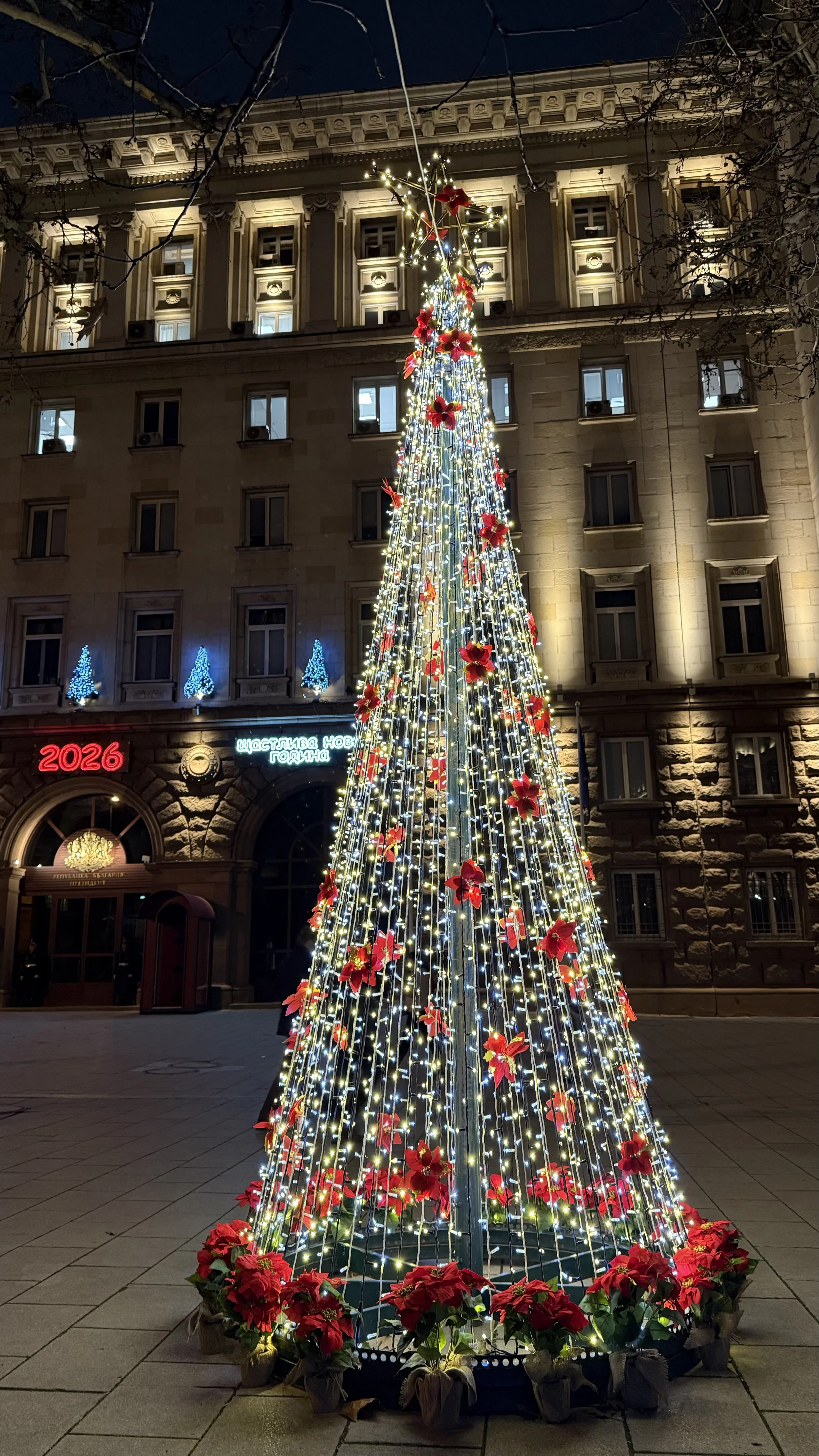
Big Changes in Bulgaria - The Euro has come! Pray for Stability and Provision
Bulgaria is a land that is accustomed to change. Thousands of years of world history have left so many archaeological wonders, incredible discoveries, and plenty of unsightly scars, too! Yet, through it all, Bulgaria continues to march forward.
This year (2025) saw Bulgaria, a long-standing member of the European Union, also join the Schengen Zone. For many of us who regularly travel to Bulgaria from other Schengen nations, this was a welcome transition as it makes things much quicker at the airport (no passport control!!).
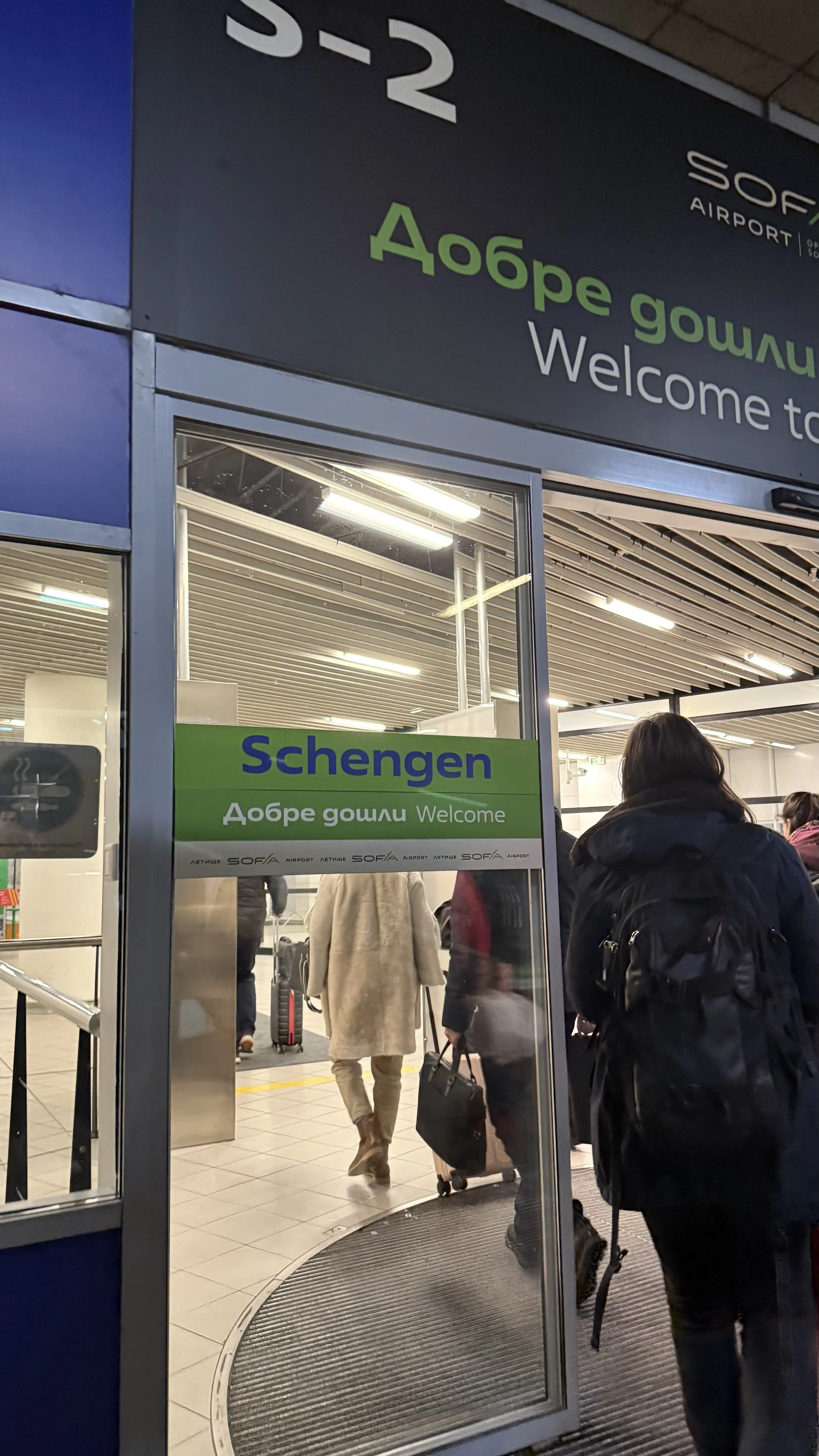
Welcome doors as one enters the terminal from the tarmac. There are separate doors for passengers coming from locations outside of Schengen.
Next year (2026) stands to see Bulgaria also join the EuroZone, the nations in this region that operate with the Euro as their currency.
Again, for many of us who regularly travel to Bulgaria from other EuroZone nations, this is a welcome transition as it will mean one less currency (Bulgarian Lev) to possess and trade in.
However, as one can imagine, this is a pretty big transition, and one that could have massive consequences on the Bulgarian people.
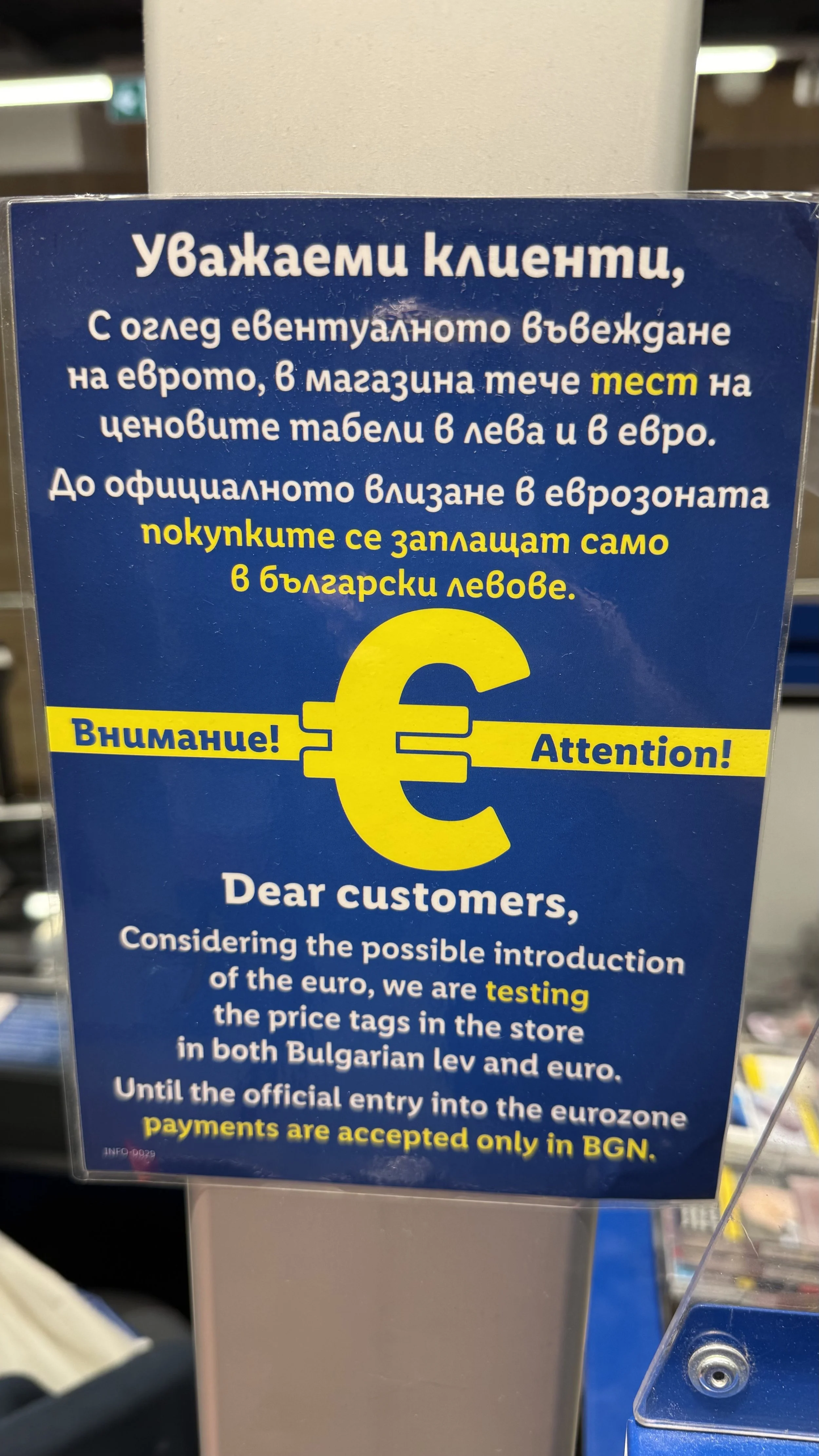
A note at a cash register.
Other nations that have switched to the Euro from their native currency have observed a learning curve, as prices sometimes increase dramatically (not to mention much quicker than people expected or could comfortably deal with).
To that end, we covet your prayers on behalf of the many members of the Bulgarian Church of God! Here is a link to a giving page for a Bulgarian ministry that we fully endorse, Agape Faith United. Any gifts will help create a cushion for them, in the face of any unforeseen price hikes. GIVING LINK HERE.
In addition to the changes that 01 January 2026 will bring, recent weeks have seen LARGE protests in the nation’s capital, Sofia. These have not been directly in relation to the coming currency transition. But I can’t help but wonder if the tension and angst related to that is manifesting in other concerns. Without making a political statement, it seems that much of the recent protesting has been in response to governmental persons/agencies profiting from budgets, while many ‘normal people’ suffer with low salaries, pensions, etc. At least that is what the protestors have stated! From what I’ve observed, most of the protests have been relatively peaceful. And they have achieved their desired result as the government has stepped down. With this in mind, pray for peace and a smooth road ahead for the nation!
Another way that all this tension is affecting the people, though, is with regard to having confidence that they can make the financial transactions they need to survive, be that buying groceries or paying rent/mortgages.
One lady I spoke with recently (December 6th) shared that a lot of people are expecting a Y2K-esque scenario to occur, with banking and credit card systems not seamlessly transitioning to a different currency. With that in mind, there is currently a rush on the banks, as people stockpile cash to make sure they can make their necessary purchases and payments. However, as the lev is the current currency, that is what is mostly available from the ATMs. As they are transitioning out of that currency, though, it is in a limited supply! So some people are finding it difficult to physically access money in their bank accounts. In fact, every ATM machine I came across on my recent trip had a line of customers waiting (hoping!!!) to do business.
As the holidays rapidly approach, keep Bulgaria in your prayers.
And as the New Year begins, continue to keep Bulgaria in your prayers!
And if you are able, consider making a year-end gift towards Agape Faith United,
a truly world-reaching ministry!
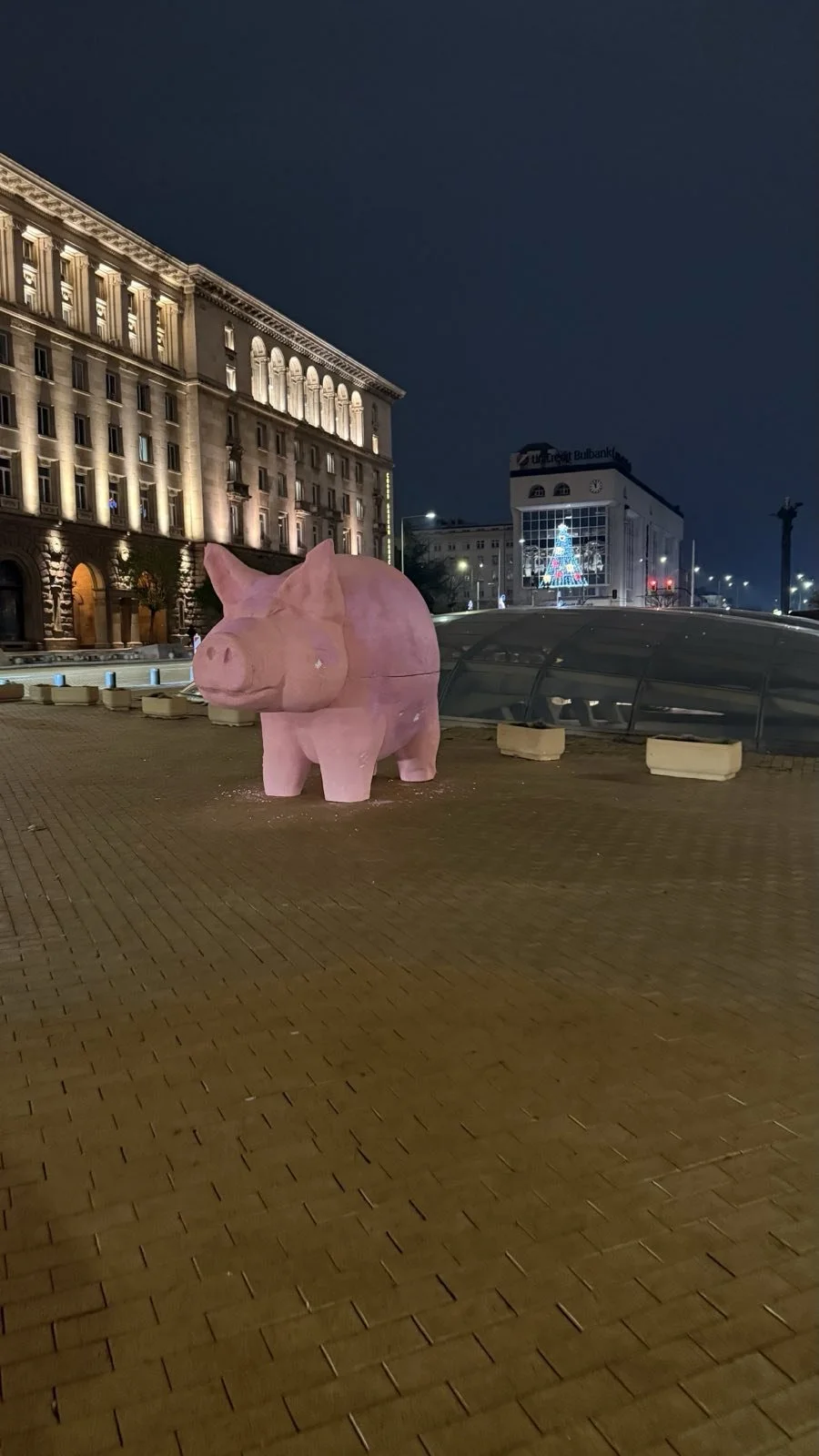
The central point of the recent protests…
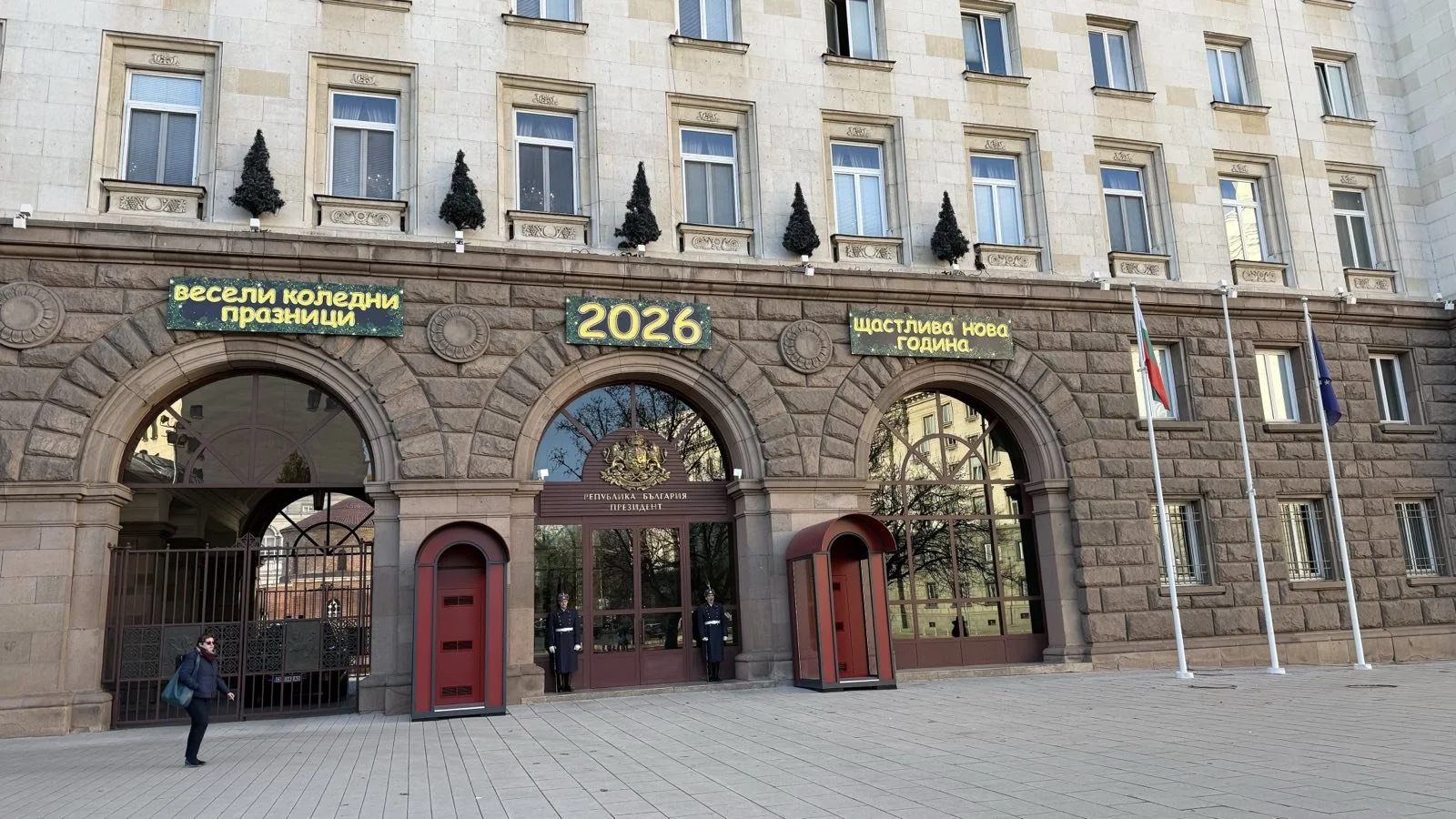
The Bulgarian Presidential Palace decorated for the New Year. Literally a stone’s throw from the afore-mentioned ‘pig.’
Three Years On: Reflections on the War in Ukraine
It has been three years since Russia’s full-scale invasion of Ukraine. After decades of relative peace on the European continent, Russia invaded Ukraine without provocation. Below are the reflections of Europe and Middle East Regional Coordinators, Nate and Stacy Tatman.
Full-Scale Invasion
Three years ago today, after weeks of Russian troops accumulating at the border between Ukraine and Belarus (Moscow claimed this was for training purposes), Ukrainians experienced the unthinkable – a full-scale invasion on their country without provocation.

Taken by a pastor who was delivering supplies.
Two weeks before the invasion, we held a Zoom call with the Ukrainian national leader for the Church of God, Pastor Stepan, his wife Lyuda, and the church’s youth pastor Valentina. This was our first conversation with Pastor Stepan since starting as regional coordinators for Europe and the Middle East.
While the threat of war loomed over their country, Stepan spoke about all the great things happening in the eleven Church of God congregations throughout Ukraine. Not only were these churches impacting their local communities, but they were also connected to the Church of God movement throughout Eastern Europe. In fact, pastors from Russia, Ukraine, and a few other countries were planning a conference in Georgia to take place in June of that year.
In Russia, members of our 3W Team were working with the pastors and elders of one Church of God congregation. The congregation had gone through some turbulent years as they navigated leadership changes and then had to downsize from three campuses to one during COVID. Our team was working with this group to help them establish a new vision for the church and we had made plans to visit in March to hold a weekend conference. Our flights were purchased, visas were being prepared at the embassy, and the logistics of the weekend were being finalized.
These stories illustrate the fact that leading up to February 24, 2022, the Church of God in Ukraine and Russia were on the move. God was doing some spectacular things through these churches. But much of this came to a screeching halt when Russian armies attacked.
Of course, no one expected the war would last three years. Everyone hoped it would end within six months, but certainly did not believe it would extend beyond a year. Yet here we are, mourning on the third anniversary of the invasion and seeing continued daily reports of death and destruction in Ukraine at the hands of the Russian military.
Loss
We mourn the many losses over the past three years:
The loss of countless lives, families, communities, and cities that have been destroyed or occupied.
The loss of the homes and churches of our Ukrainian brothers and sisters in the far eastern part of the country, which is now occupied by Russia. Seven Church of God churches have closed.
The loss of a homeland and culture. Many Church of God pastors, elders, and believers were forced to flee from their homes in Ukraine and resettle elsewhere in Europe or the United States.
The loss of connection between the Church of God in Russia and the rest of Europe. For the safety of all involved, communication has been limited.

Destruction from shelling makes it difficult to get supplies to people.
Despite all the loss and destruction, the Ukrainian Church of God has chosen to use this tragedy as an opportunity to shine the light of Jesus Christ in a very dark place.
Moving Forward
The Church of God in Ukraine has not ceased to be the Church in these difficult times. And Church of God congregations in many countries around the world – the United States, Canada, Germany, Hungary, Bulgaria, and others – have continued to walk alongside our Ukrainian brothers and sisters over the past three years.
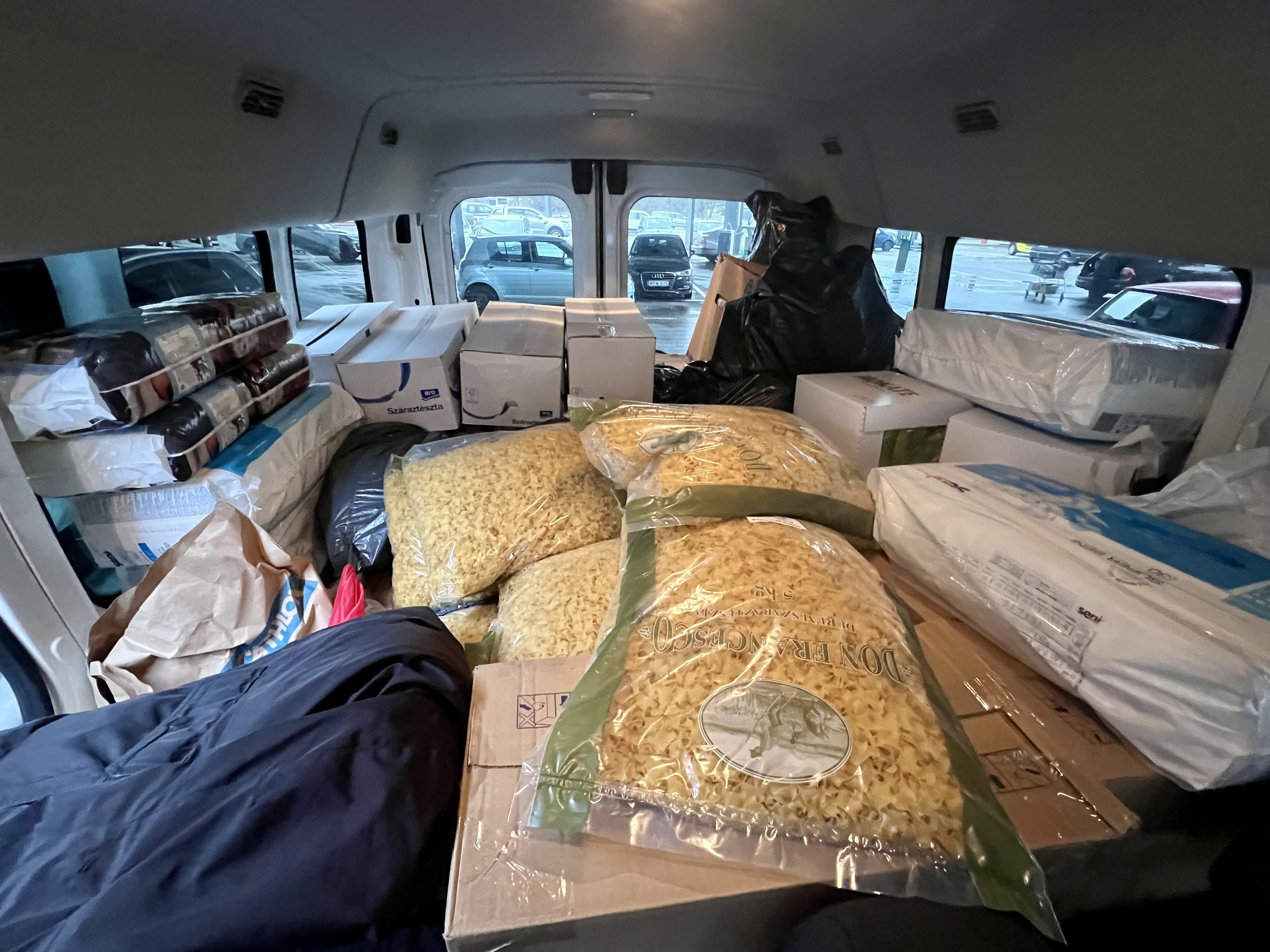
Loading up supplies to be delivered to Ukraine.
From the beginning and still today, basic life-sustaining goods are being delivered throughout Ukraine from Hungary and Germany.
Some churches in Ukraine have not only continued to keep their doors open for weekly services and programming, but they are also caring for their communities by providing for basic needs and housing internally displaced people (IDPs).
Funds have been given to help renovate and winterize church buildings in Ukraine, as they are often left without electricity.
Vehicles have been purchased to help deliver goods.
Property has been purchased to house IDPs with a plan for providing trauma care when the war is over.
In Plovdiv, Bulgaria, the church is providing its space for Ukrainian refugees to receive counseling. In addition, one of the leaders (originally from Ukraine) gives Bulgarian language classes to refugees to help them integrate into Bulgarian society.
In Calw, Germany, a new church was started by Pastor Stepan and others to reach the Ukrainian refugee population. The church continues to grow and experience people come to faith in Jesus Christ.
Ukrainians have received scholarships to attend our 3WLN events in 2022, 2024, and again in 2025, giving them a time of respite and encouragement.
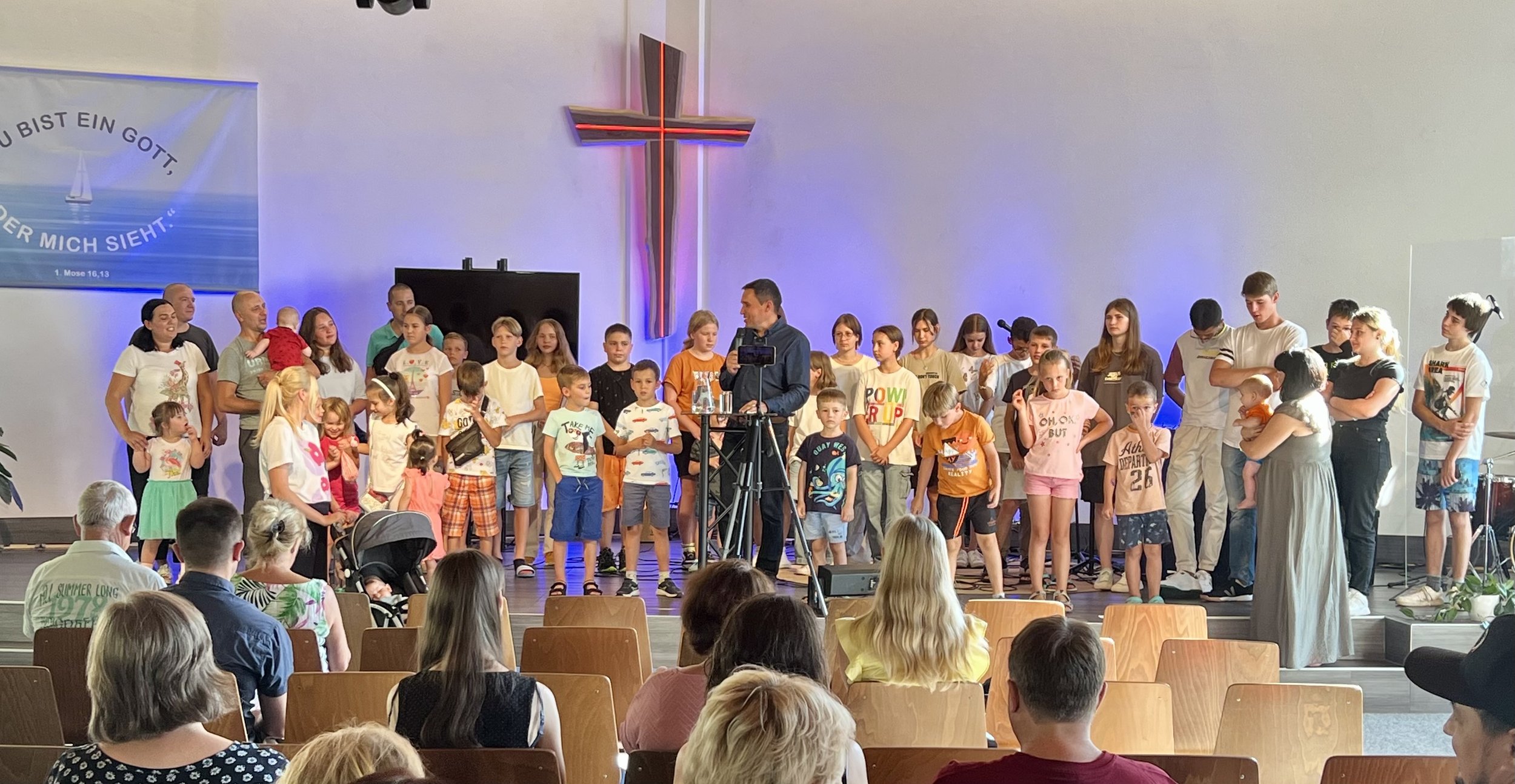
Ukrainian Church of God serving Ukrainian refugees in Germany.
While we have had minimal contact with the church in Russia, we know they have navigated the complex challenge of staying on mission during this time as well, and they have continued with a new vision and strategy for the church, shining the light of Jesus Christ in their community.
Our Hope
As talks of the war coming to an end are taking place at the highest levels, we are left wondering when and how this will come to pass. While politicians will likely determine that outcome, we are praying for the day when the attacks on Ukraine as a sovereign nation will cease and Ukrainians will have the opportunity to rebuild their lives in Ukraine.
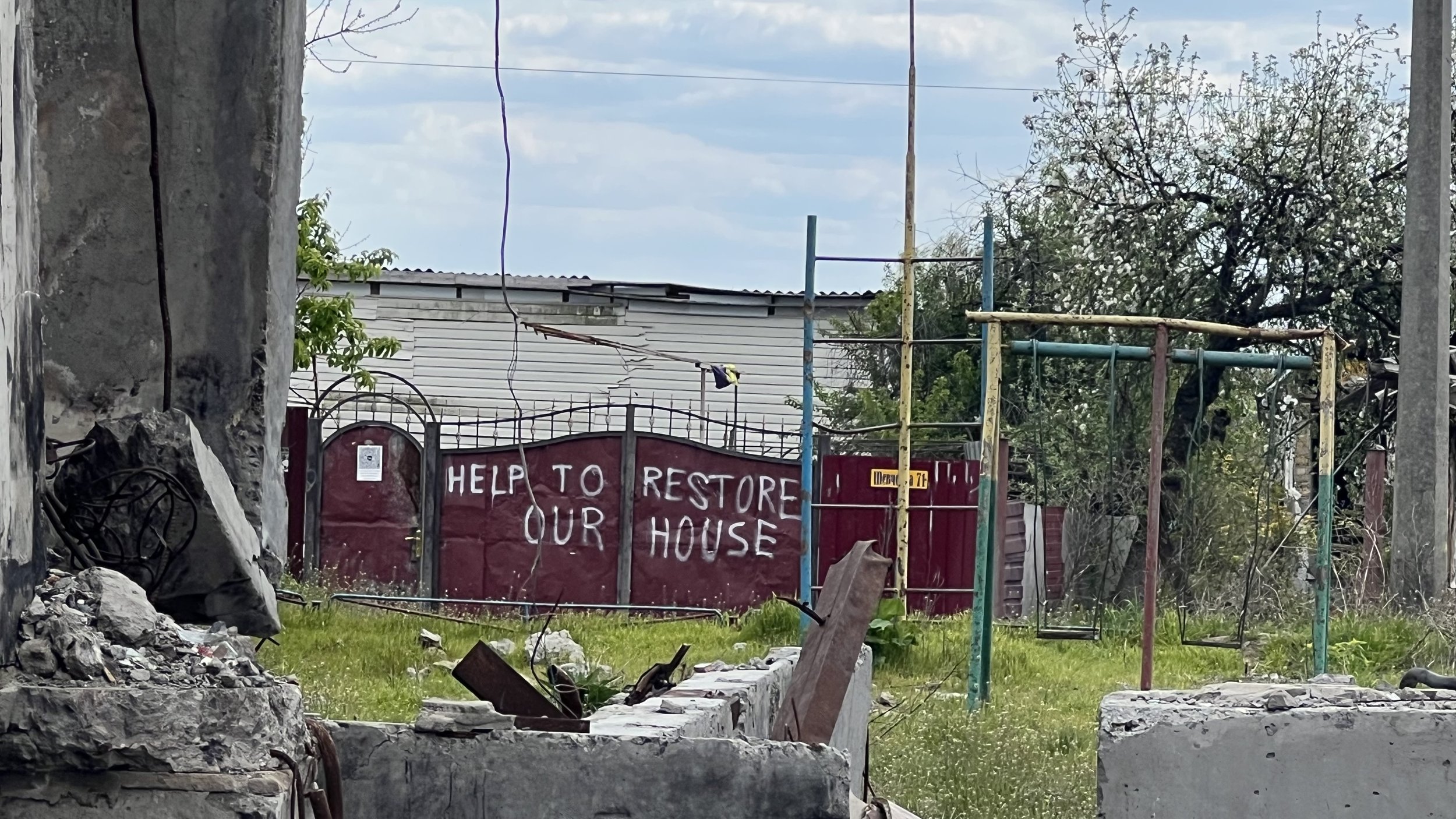
Many people/families have been displaced and so have many faith communities in Ukraine. When travel opens again, undoubtedly many who still have homes will return. Restoration of homes, offices, stores, and churches will be necessary for Ukrainians to begin again.
As the trauma caused by what has transpired is processed, the Church will be well-positioned to provide trauma care, a strong sense of community, and a message of hope and healing that is so desperately needed in dark times.
We have already been looking ahead at ways we can continue to walk alongside the Ukrainian Church of God as we all pray for this war to end. There will be many difficulties and challenges to navigate when Ukrainians make their way back home and/or welcome back those who left during the war. We pray they have this opportunity.

Our mission for disaster relief & restoration
Disaster Relief proclaims and demonstrates the Good News of Jesus by empowering the people of God to collectively respond to human suffering and faithfully pursue the restoration of all that is broken in order to bring the Kingdom to life on earth as it is in heaven.
We continue to need your support – first through prayers, and secondly through finances.
If you would like to help financially support ongoing relief and restoration efforts in Ukraine, we continue to receive gifts through the Disaster Relief and Restoration fund of Church of God Ministries. Be sure to type “Ukraine” in the space for gift description. 100% of your donation will go towards the relief and restoration of the Ukrainian Church of God.
Thank you for standing with the Ukrainian Church of God through these last three years. It has been an exhausting three years for them. Our team will continue to walk alongside the Church in Ukraine, and we are so grateful for those who are partnering with us in that effort.
Further reading:
A Lament for Ukraine from the European Evangelical Alliance.
Cedar Home Lebanon
Since 1912, there has been a Church of God presence in Lebanon, beginning with missionaries sent by the Missionary Board to start a school in South Beirut. Twenty-four years later the Church of God registered with the government. Over the decades the church has grown to eleven congregations with 500 believers.
In 1957, Church of God leaders in Lebanon were approached with the idea of running a shelter for children who had been separated from their families while immigrating from nearby countries. Out of this, Cedar Home for Girls emerged and was registered with the government in 1961. Since that time, Cedar Home has provided “a Christian community and residence located just outside of Beirut, Lebanon, that cares for orphaned and disadvantaged girls, building them up to become independent individuals.” (https://www.cedarhomelebanon.org/)

In addition to housing girls, Cedar Home also supports 260 families with basic necessities with the goal of keeping families together. This support also gives Cedar Home staff the opportunity to stay connected and build relationships with families, ultimately sharing the love of Jesus Christ with them through not only words, but action.
Most recently, due to sociopolitical unrest and economic challenges, many boys in Lebanon have experienced an elevated risk of unjust labor trafficking. Seeing this reality in his local communities, Cedar Home’s Executive Direct Karim Anayssi knew something more could be done. As he prayed and processed next steps, he recognized the opportunity that could be given through vocational training, allowing young men an alternative to help provide for their families.
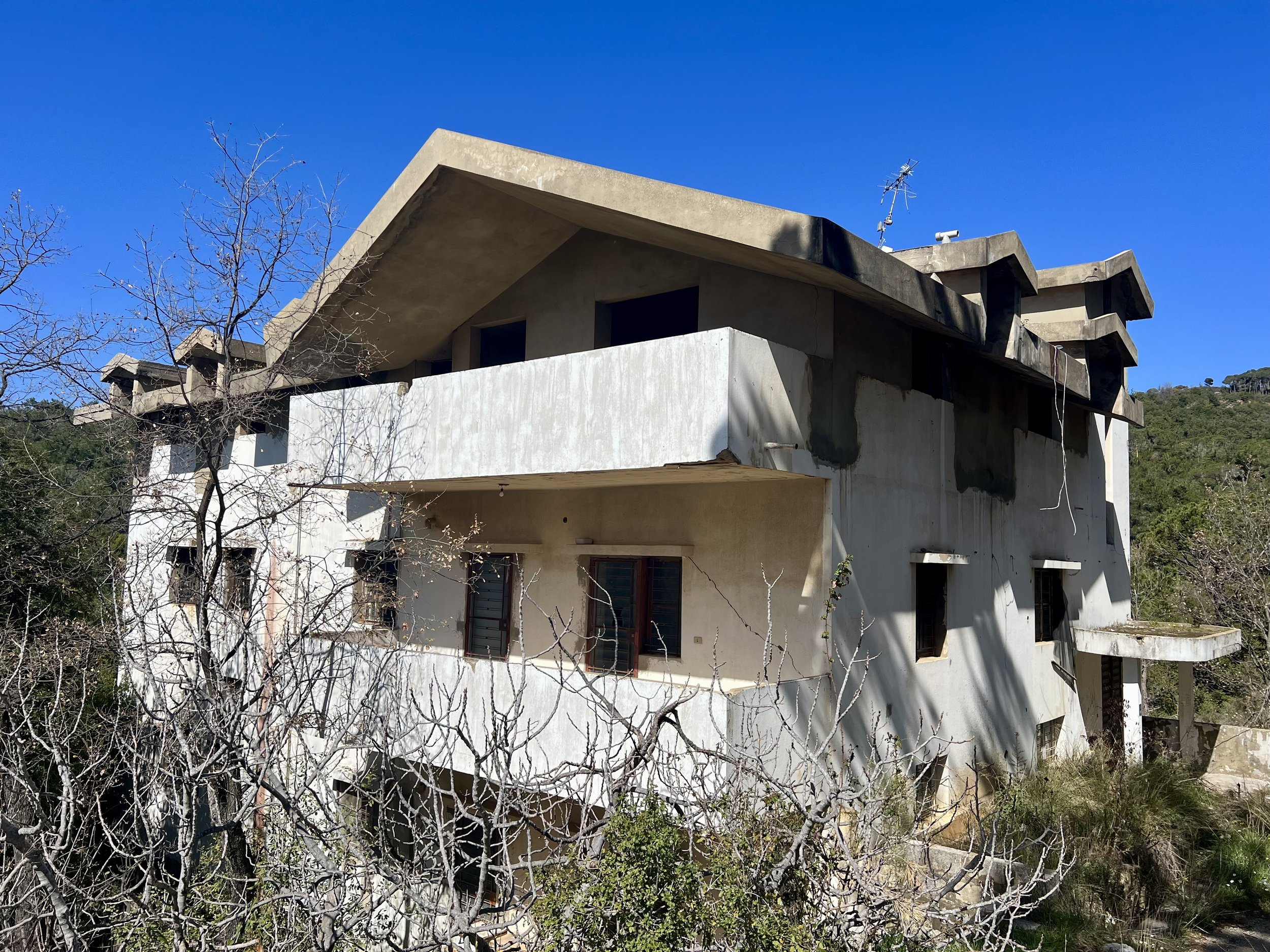
As Karim began walking out this vision, he became convinced that a non-residential academy to train students in a marketable trade could be a viable solution. The additional benefit would be the opportunity to offer connection and discipleship to these young men through a local Church of God congregation.
When faced with the challenge of finding a location for this training to happen, Karim realized he knew just the place. Cedar Home already owned a building – the original Cedar Home for Girls – located near a Church of God conference center in Lebanon. Unfortunately, the girls living in the original home had been displaced from this location by the Syrian army, who occupied the building for several years during the war. The building had been vacated for decades since that time, but Karim knew there was an opportunity to breathe new life into it and began drawing up plans to renovate the war-torn facility.
Today, Cedar Home is steadily moving towards the goal of opening its Vocational Center for Boys. As funds are available, they are making strides to complete necessary building renovations and to begin filling it with the necessary furniture and equipment.

We continue to be inspired by Karim others at Cedar Home who are thinking innovatively to address the needs of those in their communities and sharing the love and message of Jesus Christ.
The Vocational Center for Boys can only be completed as funds are received. Please click on this link to learn a little more about the work being done: https://chogglobal.org/mission-projects/projects-europe-middle-east/cho/
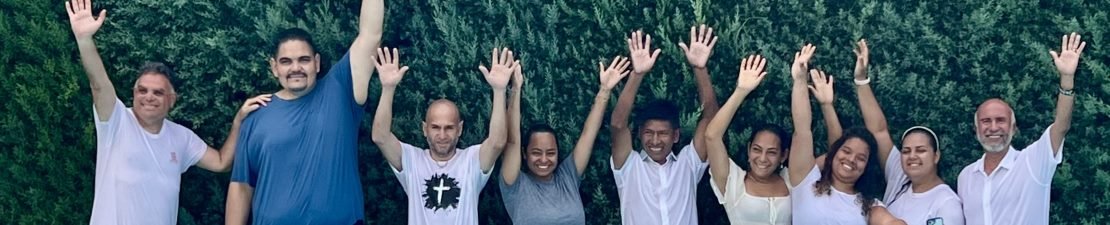
Snapshot in Time- Fall 2024 En Mi Lugar
Grab a cup of tea or some Cuban coffee and take a moment to catch up with our colleagues and Church of God church planters, Alejandro and Carmen DeFrancisco, as they fill us in on this season of ministry in Madrid!
3W: Before you moved to Madrid in the Spring of 2018, you were Church of God pastors in America, right? What did your ministry there look like?
Alejandro and Carmen: Yes, we spent the previous 17 years in ministry, with some very talented teams of people, planting 17 churches in 15 cities in the US! Much of our time was spent in Florida. With our past 6 years in Spain, we’ve been serving in ministry for 23 years! I can’t emphasize enough that ministry and church planting is a team effort! We have been blessed over the years to serve with committed people, working and using their gifts, to make a healthy discipleship/church planting network. And we are thrilled to be serving alongside amazing people now in Spain.
3W: What does your current ministry in Spain look like?
Alejandro and Carmen: We continue to witness all the ways God is strengthening and expanding the church in Madrid. En Mi Lugar meets for its regular service on Sunday morning, followed by a meal and time of fellowship. The members of the church body carry the mission and vision of the church as they step into leadership roles, create and share devotionals, and host church meetings in their homes.
As the church expands, we are still searching for a new place to gather. We host church services in the basement of our home. With 62 members in the church, we are past full capacity. We trust that God will meet our needs and provide a new location that allows our church to continue to grow and flourish.
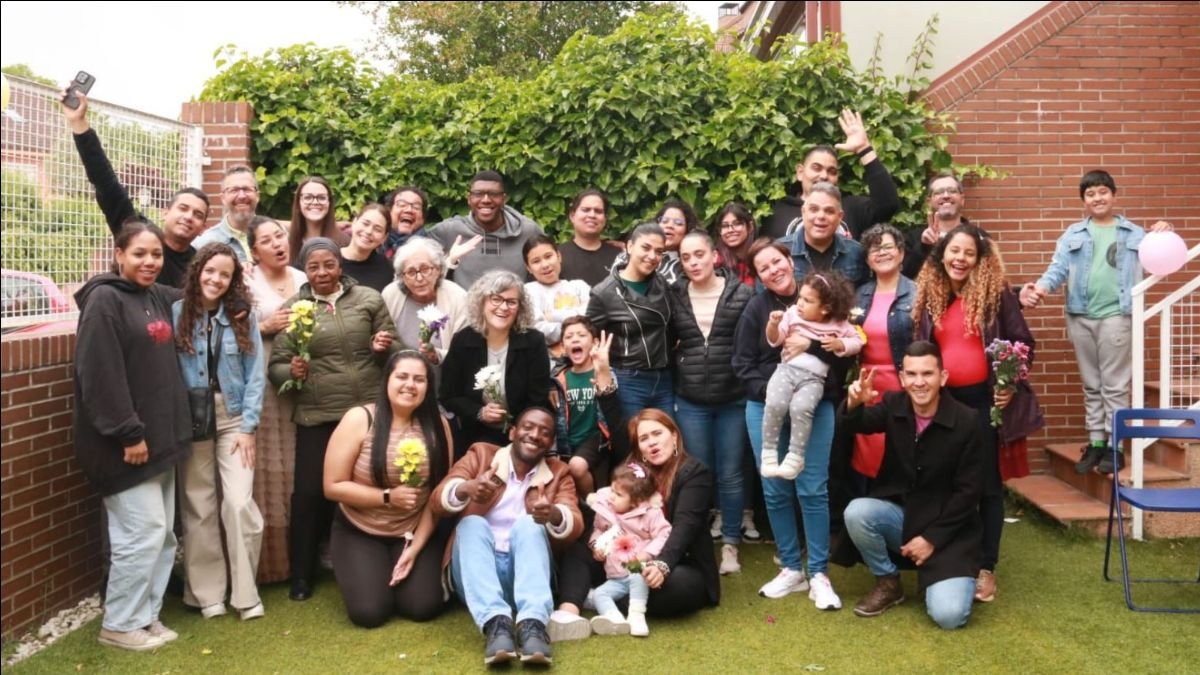
3W: How does En Mi Lugar gather together during the week?
Alejandro and Carmen: In the last few months, we have focused on developing programs for the church. Because church members come from a long distance, we discovered new ways to minister to them over technology throughout the week. We stay connected through the online discipleship program, daily men's and women's devotionals, and recorded sermons.
3W: What’s a way that you have seen God move recently?
Alejandro and Carmen: This month, we celebrated six baptisms at En Mi Lugar! We have watched God move in mighty ways through the testimonies of these six people, and we are excited to walk alongside them as they take this new step of faith. We hoped to host the baptism service at the pool in our housing edition, but we were unable to do so. This is one of the challenges we face as a small church in a cultural context where Christianity is not widely accepted. God still provided the perfect place for a baptism service at the backyard pool of a local nonprofit. It was a beautiful day of celebration for everyone involved!
This month, we celebrated six baptisms at En Mi Lugar!
3W: What is something that you are looking forward to in the coming months?
Alejandro and Carmen: We have a vision to create a coffee house/café in our neighborhood that will serve as a gathering place, and place to build community amongst diverse groups of people, and a place of hospitality for anyone who visits. We are excited to see how God will use this place and how people will experience God through this café!
You can follow and support En Mi Lugar, the Multiply Madrid Network project, and the DeFranciscos through these links and also social media. Thank you for connecting with the Church of God in Spain!

Bulgaria holds the key to healing our broken world.
IN PLOVDIV, BULGARIA, THERE IS A MINISTRY CALLED “AGAPE FAITH UNITED.”
Agape exists to provide an English-language worship community for foreign-born medical students at a local university.
These students come from all corners of the world, but from primarily English-speaking backgrounds. MOST of them hold British passports, but their families originate in various African nations or virtually all of the islands of the Caribbean.
In recent years, though, numbers have also increased from South Asia and even Western Europe.
Each story is different, of course. But each student has chosen to reside in Plovdiv for 4-5 years of study.
After their time in Bulgaria, they will return home, be that to the place they grew up, or the place their parents grew up. They will literally cover the earth…
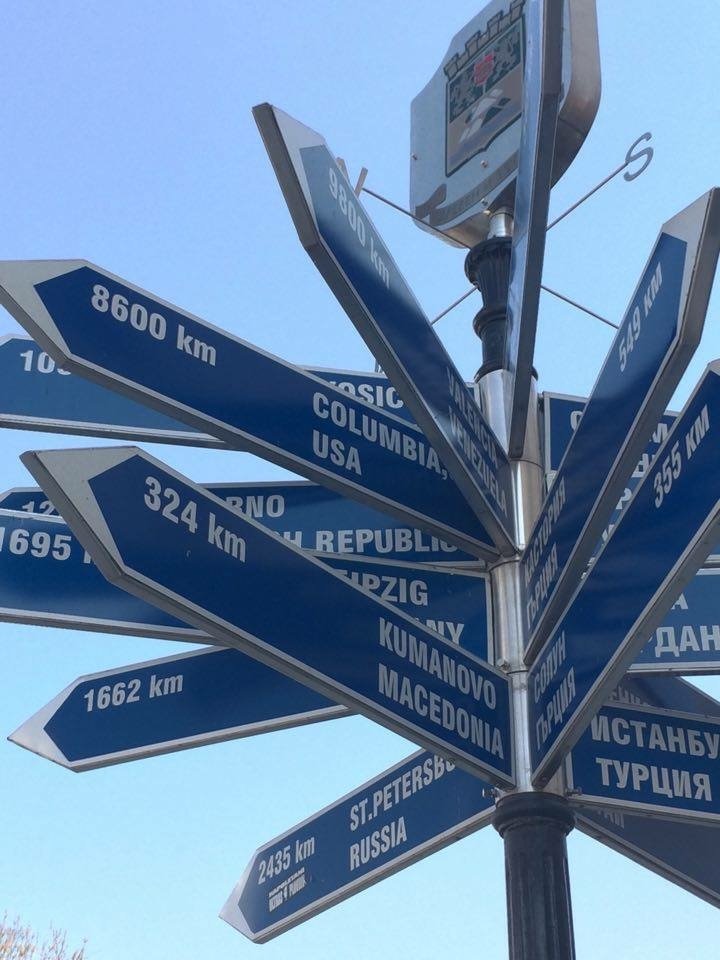
From a street sign in Plovdiv.
As Global Strategy’s Project Advocate (Agape Student & Refugee Ministries), I think this ministry is one of the Church of God’s best-kept secrets. What other ministry has the potential to literally impact all corners of the world?!?
The way I see it, we have a repeating 4-5 year window of time to impact these students’ lives:
-To introduce them to the Loving God made known through Jesus Christ;
-To encourage them to grow into a deeper relationship with God;
-To give them opportunities to grow in leadership and service;
-To help them integrate their faith with their daily practices;
-To remind them there is a Divine Healer who can work miracles even when modern medicine reaches its limits;
-To instill in them Judeo-Christian virtues and values;
-To help them create a fellowship of colleagues and mentors they can depend on for the rest of their lives and careers;
Agape was created to meet a felt and expressed need. There was no English-language ministry in Plovdiv. Certainly there was none that was intentional about connecting with medical students. Agape began as a Bible Study in the apartment of retired missionaries Dave & Kathy Simpson (see picture below). From its humble beginnings, it has blossomed into something much larger.

ARCHIVAL clipping from December 2014 “Plovdiv Perspectives,” newsletter of Dave & Kathy Simpson
Link for more information and for giving: https://chogglobal.org/mission-projects/projects-europe-middle-east/agapeministries/
Why We Give… Ukraine Stories 7/7


Why We Give…
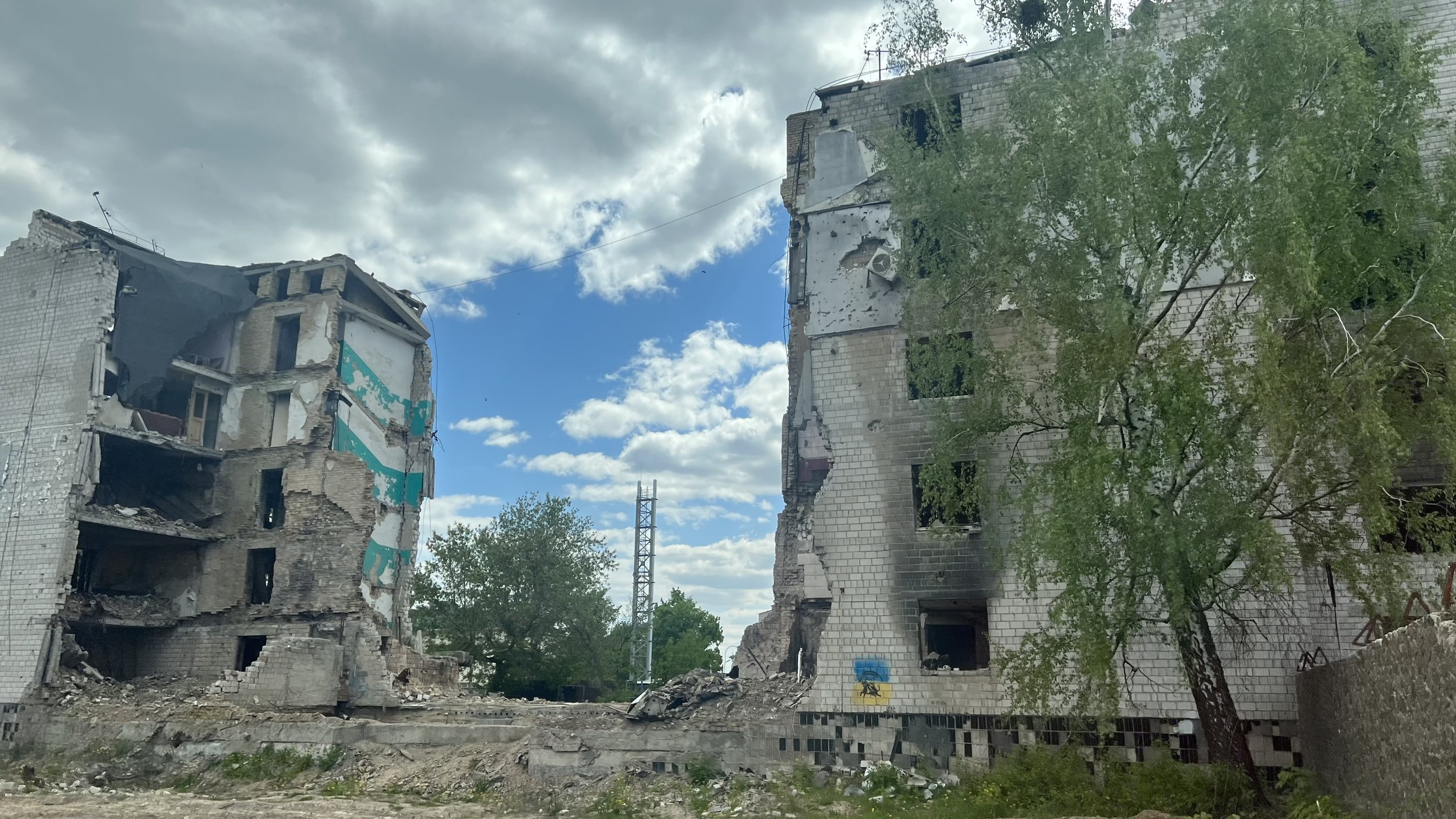
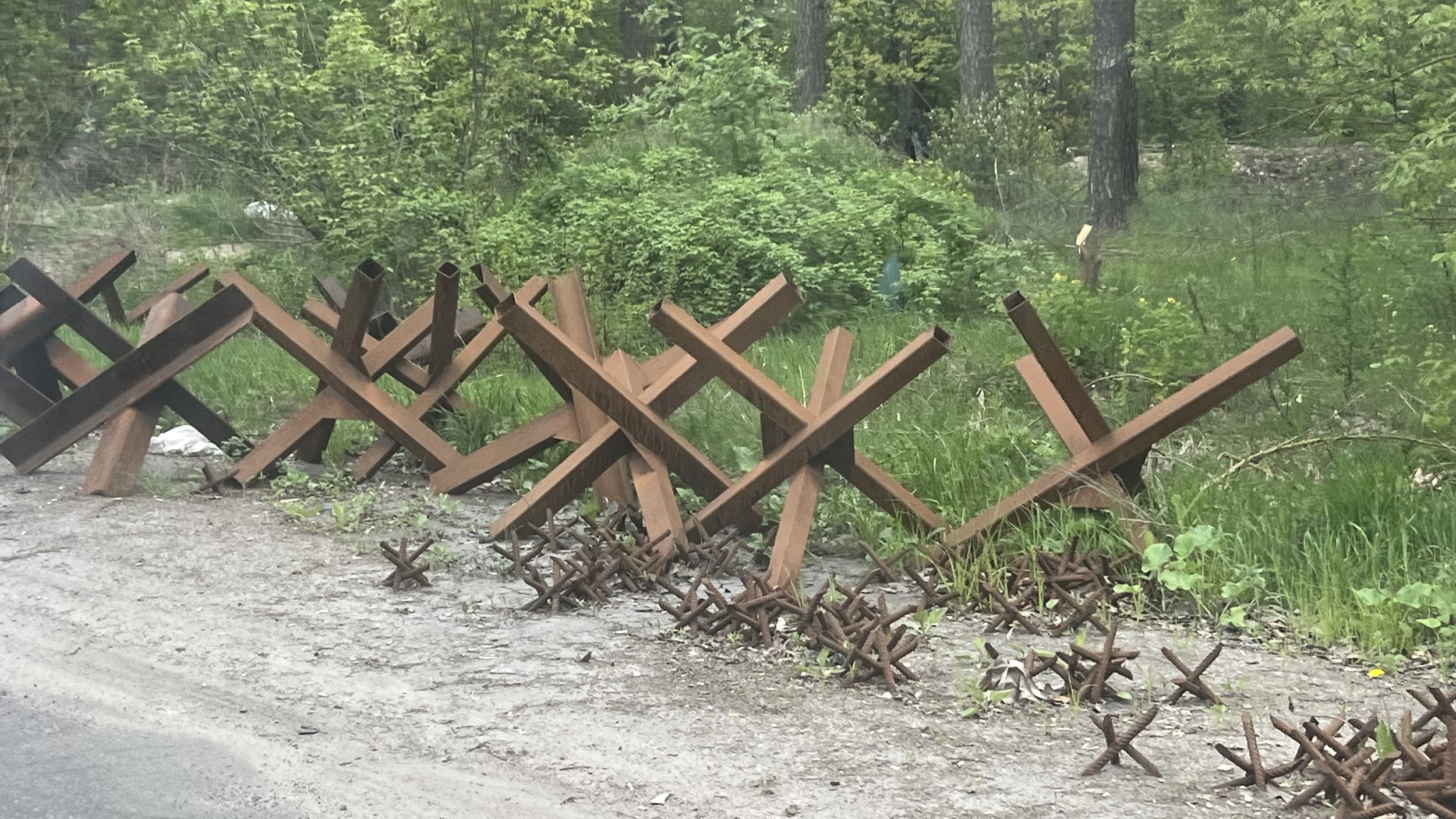
Over two years into Russia’s invasion of Ukraine, things remain bleak for so many people. There are several Church of God congregations in Ukraine. All of their lives have been massively affected. Read one person’s account HERE.
From the beginning, you have given generously to the Church of God Disaster Relief fund (earmarked ‘Ukraine’). Those gifts have been life-giving, literally. THANK YOU.
Those gifts have helped make it possible for many of us to respond to the increasing needs all around us. Because of those gifts, the Hungarian Church of God continues to make regular delivery of supplies into Ukraine to our church partners.
While we certainly wish circumstances were quite different, we rejoice at the opportunity to help our brothers and sisters in their time of need.
Many in the Ukrainian Church of God have fled west as “refugees” to other countries in Europe and even the USA.
Many have become “internally-displaced persons” now residing elsewhere in Ukraine, where it is currently thought to be “safer.”
Many continue serving in ministry in their new locations, sharing the Gospel with other Ukrainian/Russian-speaking refugees.
Many continue serving in ministry in Ukraine, even though their ministry looks quite different today than it did three years ago. They work tirelessly to continue their ministerial service, as well as respond to constantly-evolving new needs and opportunities around them.
Just last week I was in western Ukraine and we were told that Kharkiv is BAD, and people are fleeing again. Kharkiv has been bad for over two years now, but recent attacks have rendered it even worse. Thus, a new wave of IDPs and/or Refugees are fleeing that city looking for safety.
Our church partners said that we are the ONLY source of help they receive, and they are deeply grateful for our faithful love and support. Our prayers and financial gifts have helped them see God in their daily lives, despite the pain and suffering all around them.
There are literally untold numbers of Ukrainians whose lives have been ripped apart by the horrors of war.
Many of our Church contacts are directly involved in caring for their immediate needs, be that food, medicine, shelter, as well as offering them spiritual help and support. In addition to caring for those who have fled their homes, many of our people routinely make trips to the east of Ukraine, to villages that are bombed daily. Yes, daily.
WE GIVE to keep them giving.
WE GIVE so they can have food to offer starving people in war-torn villages.
WE GIVE so they can have medicine to offer wounded people.
WE GIVE so they can have clothes to comfort people with nothing left.
WE GIVE so they can bring a smile to a small child’s face with a new toy.
WE GIVE so they can help provide shelter to people whose homes have been destroyed.
WE GIVE so they can share the Gospel … in ways that none of us ever could.
WE GIVE to literally keep people alive.
WE GIVE to literally keep the Church alive.
WE GIVE to literally keep HOPE alive.
Will you join us in GIVING??
https://www.jesusisthesubject.org/disaster-relief-and-restoration/
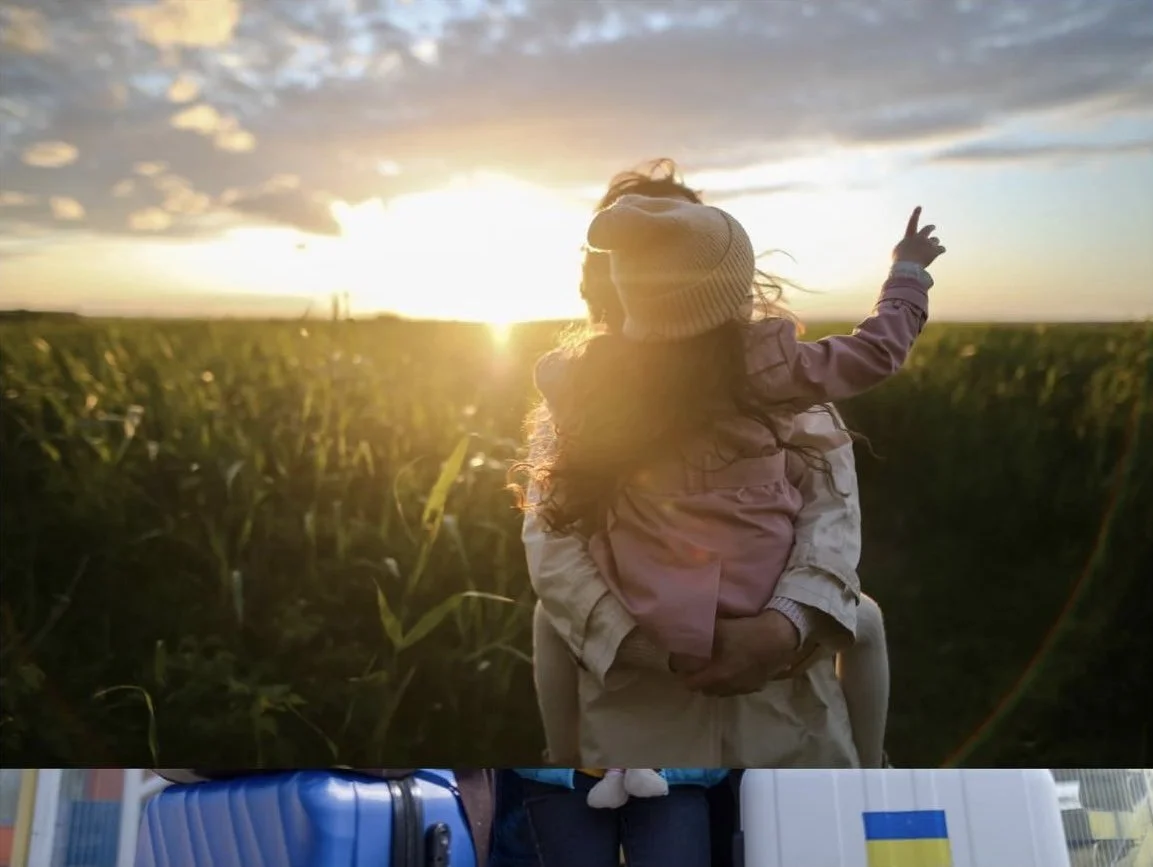
A Tale of a Mother’s Love. Ukraine Stories 6/7
“We are Russians. We are trying to get back to Russia. My father is a soldier. And he said that it is safer to go west through Ukraine in order to avoid the war area.”
The lies of a five year-old child.
Lies that the mother had trained all her children to repeat so that they could get to safety.
I will never forget sitting in an apartment in western Ukraine. It was summer 2022. We sat in a room that had been a small clothing store only a few weeks earlier. Once the life of all Ukrainians got turned upside-down, this store closed so that its space could be converted into living quarters for the many displaced families in need of a place to stay.
It was in that room that I met a mother and her five children, emphasis on the word children. The two oldest were barely 15 or 16, and the youngest was no older than 4 years old.
This family fled their home in the far east of Ukraine and traveled westward, seeking safety. Like so many others, though, they hesitated at the very beginning of the invasion.
Instead of jumping in a vehicle at the first sounds of warfare, they stayed, hoping that things would calm down and return to normal.
Nobody wants to believe the worst. And nobody wants to literally abandon their home and possessions in pursuit of the truly unknown.
That little multi-day hesitation could have cost them their lives, though. By the time they wanted to flee, it was much more dangerous and difficult to do so.
Where they were once surrounded by quiet streets, schools and homes, now they were surrounded by obvious signs of war. Destroyed buildings. Dead bodies. Roads rendered impassable. Military checkpoints on the only remaining routes in or out of the city. Foreign soldiers, too. Russian soldiers.
In between the beginning of the invasion and the time this family was able to flee their home, they endured many unimaginable things. Sights. Sounds. Feelings. Thoughts. Even if their bodies remain intact, their souls undoubtedly bear much scarring.
And so there we sat as they told their stories. I sat in absolute disbelief as these children recounted stories that no child should ever be familiar with. Here are some excerpts from that conversation. If you read nothing else, please read this…
Listen to their description of being trapped in their home town and then their eventual escape. These are their own words, translated to English. These are direct quotes, transcribed from an audio recording. This is not an imagined conversation.
ON BEING TRAPPED IN THEIR WAR-TORN TOWN:
They didn’t have any water and like they said we survived only because of rains and snows. When it was snow, we melted the snow, for example, to flush the toilet and when it rained it was very good. Because out of the roof it dropped and we could just get some jars or something and catch some water from the roof, because no water was [there] at that time.
There was some kind of like schedule of the shooting. They knew of the bombings or missiles. They knew when, for example. Yulia told me that from 9 am to 12am, they were doing these shootings and the missiles, and then they stopped and it was quiet hours, but not normal quiet.
The only place for connections, where you can call to your friends or relatives was the nearby hill. But that hill was mostly bombed, like mostly shooted to that hill. So they had this one month, like one month opportunity to go to the hill, and you never know whether you will be back to call your relatives and just says that ‘oh I am alive,’ and then you go back and you never know if you will be back alive or not.
All of the stores were robbed. No food, no kitchen, nothing, no medicine, no drug stores. And the first two months, no humanitarian aid even came to the city, like nothing, no help, the first months.
Dead people were everywhere, like in the parks, in the squares. So people were buried just in the streets, like in the local square or park. Some people buried in their gardens of their homes.
To have shower, we needed to heat up the water on the fire, in the yard for example. And then someone is just pouring the water into you so you can have some shower.
Kids never slept at home, they always slept in the cellar, they said because it was so scary to stay overnight, upper of the ground. And they were not allowed to use any light, like flashlight for example, because Russians said that whoever will do that, like any light, we will shoot.
They had snipers, is that the word, on the high houses. So the highest ones, they had snipers all over the city to shoot everybody who is going at nighttime with light. Any light they see, they shoot.
These things are relayed to me by children, none of whom would be legally allowed to drive a car in most places in the world. Their mother sat in their midst and it was obvious that they drew great strength from this brave woman, this woman who kept her children safe and alive during these times, this woman who found a way to deliver her children to safety.
Hear more of their story:
ON THEIR ESCAPE TO THE WEST:
The last part of the story, they will share how they get out of the city. We found the person who was doing rides, just giving rides to people. People are doing that, like a work, a job. They offer the service of taking people out of the city, but they are very expensive now, like extremely expensive. Four thousand hrivnas per one person (March 2024 rate: $105. So two years earlier, at least that amount, if not much more...).
[Note: Keep in mind, basically those with financial means to leave Ukraine had already done so…]
Finally the Red Cross agreed the ‘Green Corridor’ at that time. So we left that Sunday night and we didn’t use any highways or any roads, we just went through the fields. Because any road was where just everybody was shooted at. So we escaped only through the fields, and we had eighteen blockposts to go through. And one of those first blockposts, the youngest daughter was asked by a very rude solider, Rusisan military guy, lots of questions.
He asked her questions like ‘who are we, who’s with you in the car, where’s your mama?’ The main question they needed to know the answer is ‘where is your dad??’ And they said, ‘like mama said. We are divorced.’
And they asked the young girl, they said ‘little girl, is he military? Is he in the service, in the army??’
And she said ‘no.’ And they pretended, the whole family pretended that they are going to Russia, because to escape the city they needed to go, seems to Ukraine first, but they told the army that they are going to Russia, that’s how they allowed them to escape.
So when they were going through the blockposts, one of the posts that they passed, was the place where the cassette was just two minutes before bombed or however you say, and there were people who were dead on the left side, and people who were injured on the right side from Russian army, because Ukrainian army got to their point.
And she says like we tried to close the eyes to the youngest daughter so she couldn’t see that,
but it was very scary to go through this corridor of dead and injured people,
but they were all Russian military.
They went through these 18 Russian blockposts. And one of these blockposts was the serious one before they left. They checked everything, even cellphones, every picture you have so you won’t have any information about the army, the military or something.
As we didn’t have any boys who were over 16 years old, we were faster going through these blockposts. And then for four kiliometers (2.5 miles) we needed to walk, just by our foot.
Even though it was Green Corridor, the Russians still shooted in this corridor. And then the Red Cross organization took us after we walked, and they took us to the Ukrainian blockpost. And then they were set in a school and it was Ukrainian territory. So there it was pretty good, they were just registered and it was really good because it was our army who registered.
Through this entire visit, my eyes are continuously drawn to the mother, sitting across the room surrounded by her children. As is typical for moms, she’s busy wrangling the small ones, while the older ones tell these stories, with her chiming in every now and then to add additional details herself.
This is the image of a Mother.
This is the testament of a Mother’s Love.
You can tell she would do it all again (and so much more) to care for her children.
If you would like to give towards the Church of God Disaster Relief fund, earmarked for ‘Ukraine,’ please use this LINK.
As always, for security purposes, all names and locations have been intentionally withheld or altered.